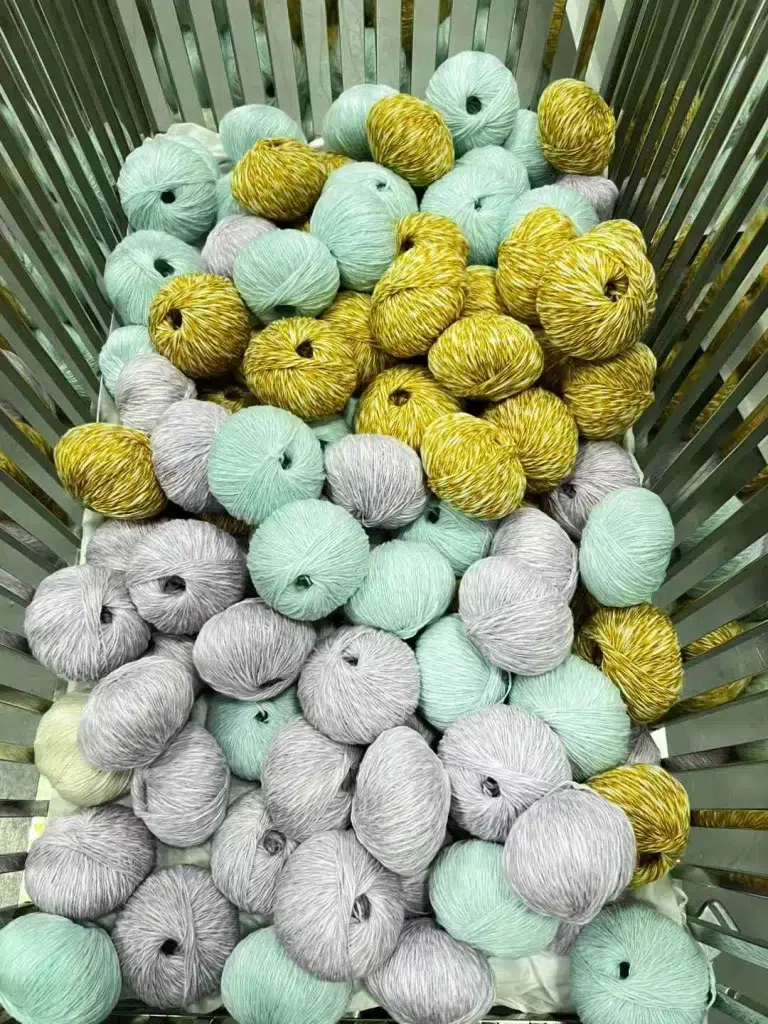
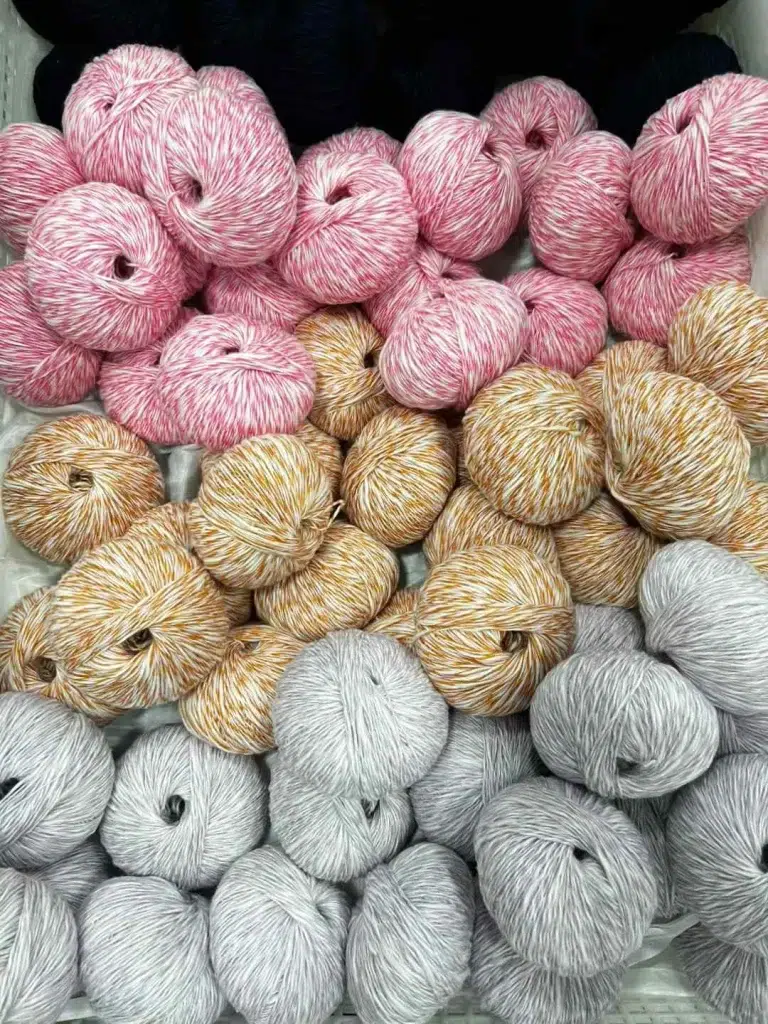
Cashmere Yarn and Fabric Supplier for B2B Buyers

Yarn buyers usually begin with fiber content, count, color, twist and the intended machine or fabric. Those details decide the sample more than a broad request for soft cashmere. Compare our cashmere materials, review the manufacturing guide, or send a yarn or fabric specification.

“`

$42.00
#1
#2
+2
#3
#4
$46.00
Beige
Custom Color 1
Custom Color 2
$40.00
#1
#2
#3
$46.00
#1
#2
$241.00
#1
#2
#3
$138.00
Custom Color 1
Custom Color 2
$56.00
Beige
Custom Color 1
Custom Color 2
$197.00
Custom Color 1
Custom Color 2
$89.00
Custom Color 1
Custom Color 2
$176.00
Custom Color 1
$35.00
Custom Color 1
$91.00
Custom Color 1

Choosing Cashmere Products for Your Market

Start with your customer profile, selling season and price position. ENHE helps buyers select suitable cashmere products, materials and sourcing routes before sampling or stock confirmation.

How should buyers choose between women's and men's cashmere?

Begin with the target market's fit and size chart rather than changing labels on one standard garment. Women's and men's styles may differ in shoulder, chest, sleeve, body length and intended ease. Browse women's cashmere, men's cashmere, and the cashmere sweater size guide.

Which products are practical for a boutique's first cashmere order?

Scarves, shawls, ponchos, blankets and beanies have fewer fit points than sweaters, dresses or pants, so they are often easier for a first stock test. Available items may also be ordered without MOQ. Compare cashmere accessories, scarves and shawls, and ready-made stock.

What should yarn and fabric buyers include in an enquiry?

State the fiber composition, yarn count, color, twist, quantity and intended machine, fabric or finished product. A reference yarn or swatch is useful when matching hand feel or color. Visit the cashmere yarn and fabric supplier page or send your specification.

Should a buyer test the market with stock or custom production?

Ready-made stock is the lower-commitment route when the priority is visible pricing, quick selection and a smaller opening order. Custom production is better when fit, color, composition, labels or packaging define the market position, but it may require sampling and MOQ. Compare ready-made wholesale with private label production.